
Waterproof structural repair depends heavily on the quality of the repair material used. The best micro concrete for waterproof structural repairs is typically a non-shrink, high-strength, polymer-modified cementitious repair solution designed for structural rehabilitation and moisture resistance. In repair projects involving RCC columns, beams, bridges, basements, or industrial floors, selecting the correct microconcrete directly affects durability, corrosion protection, and long-term structural performance.
Concrete structures naturally deteriorate over time due to moisture ingress, carbonation, chloride attack, poor construction practices, and repeated loading. Once cracks and voids allow water penetration, reinforcement corrosion accelerates and structural capacity begins to reduce. This is why repair engineers often prefer ready mix micro concrete and shrinkage compensated repair mortars for critical rehabilitation work.
What is micro concrete?
Micro concrete is a free-flowing, cement-based repair material used for repairing damaged reinforced concrete sections where conventional concrete placement becomes difficult. It generally contains graded aggregates, cement, polymers, additives, and shrinkage compensating compounds that improve strength, workability, and durability.
Unlike traditional site-mixed concrete, Ready Mix Micro Concrete is factory-produced under controlled conditions. This ensures consistent particle grading, predictable strength development, and better waterproofing performance. The material can flow easily into congested reinforcement areas without segregation, making it suitable for structural crack repair and repair grouting material applications.
Conventional concrete often requires vibration and larger aggregate sizes, which may not be practical during repair work in narrow or damaged structural sections. Microcrete and microcement repair systems, on the other hand, are specifically designed for rehabilitation and sectional restoration.
Why Waterproofing Performance Matters in Structural Repairs
Water is one of the primary causes of structural deterioration. Once moisture penetrates cracked or porous concrete, steel reinforcement begins to corrode. Corrosion products expand, creating internal pressure that causes spalling, cracking, and eventual weakening of the structure.
In infrastructure projects such as bridges, basements, retaining walls, water tanks, and industrial buildings, waterproof repair mortar plays a critical role in extending service life. A repair material with poor impermeability may initially restore the surface but fail within a few years due to recurring moisture penetration.
A high-quality cementitious repair solution should resist water absorption while maintaining strong adhesion with the parent concrete. Proper waterproofing performance also minimizes future maintenance costs and reduces the likelihood of recurring repairs.
Key Features of High-Quality Microconcrete
The effectiveness of microconcrete depends on several engineering properties. For structural strengthening and durable repair mortar applications, the material should offer controlled shrinkage, excellent bonding, and resistance to cracking.
Important characteristics include:
- High flowability for easy placement in congested sections
- Non-shrink performance to prevent debonding and shrinkage cracks
- High early and ultimate compressive strength
- Strong bond with existing concrete surfaces
- Low permeability for improved waterproofing capability
- Resistance to chloride and sulphate attack
A good polymer modified mortar also improves adhesion and flexural strength, particularly in vibration-prone structures or industrial flooring repair applications.
Which is the best microconcrete for waterproof structural repairs?
The answer depends on the repair condition, structural load, environmental exposure, and application method. There is no single product suitable for every repair project, but certain categories consistently perform better in waterproof structural rehabilitation.
Generic repair mortars are often used for minor patch repairs. While economical, many lack sufficient flowability and waterproofing properties for heavy-duty structural applications. They may perform adequately for superficial repairs but are not always reliable for deep section restoration or corrosion-prone environments.
Microcement products are commonly used in decorative and thin-section applications. Although some microcement systems provide moisture resistance, they are not always intended for heavy structural rehabilitation or load-bearing repair work.
Ready Mix microconcrete is generally preferred for RCC repair, bridge repair concrete, beam jacketing, and retrofitting projects. Because it is shrinkage compensated and designed for structural repair, it provides better consistency, improved bonding, and reliable durability under wet conditions.
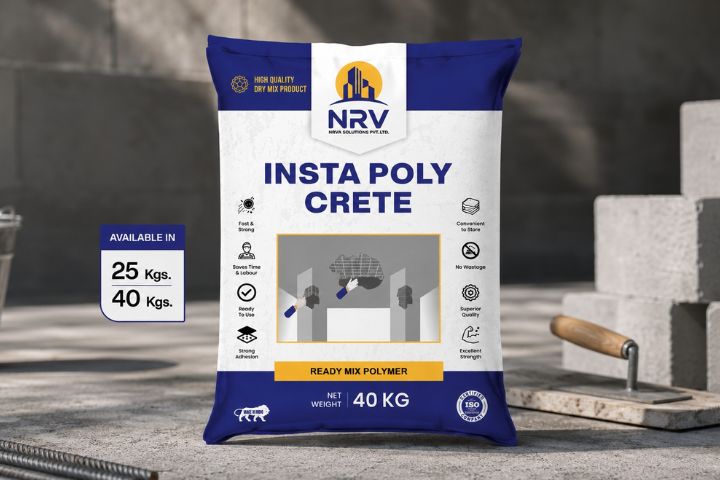
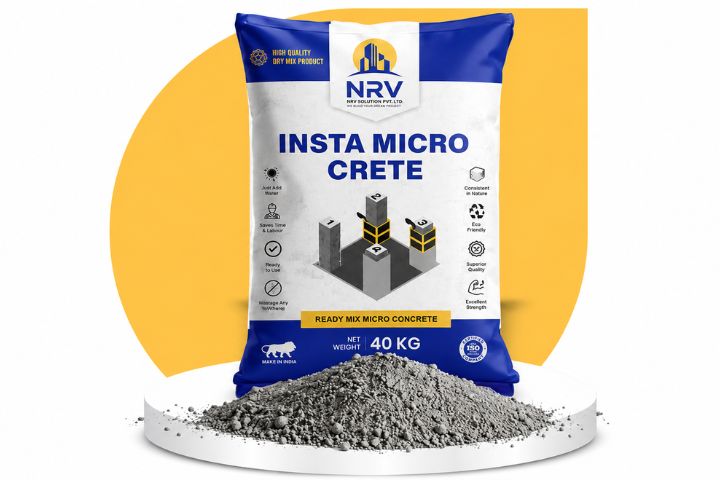
Products such as Insta Micro Crete are frequently selected for structural rehabilitation due to their free-flowing nature and high compressive strength. These materials are particularly effective where access is limited and vibration cannot be used during placement.
When evaluating the best microconcrete, engineers usually consider:
- Exposure to moisture or chemicals
- Thickness of repair section
- Structural loading conditions
- Existing reinforcement congestion
- Application area accessibility
- Required early strength development
For infrastructure rehabilitation projects, experienced companies like nrv infra solutions often assess the structural condition before recommending suitable repair systems. Material selection should always align with actual site conditions rather than relying solely on product specifications.
Applications of Micro Concrete in Construction Repair
Microconcrete is widely used across residential, commercial, and infrastructure repair projects because of its versatility and structural performance.
Common applications include RCC column repair, beam strengthening, bridge rehabilitation, machine foundation repair, industrial flooring repair, and waterproof basement restoration. It is also used in retrofitting projects where damaged structural members require sectional rebuilding without complete demolition.
In bridge repair concrete applications, microcrete systems help restore damaged sections exposed to continuous traffic vibration and moisture attack. In industrial facilities, shrinkage compensated concrete is commonly used to repair heavily loaded floors and equipment bases subjected to chemical exposure and dynamic loads.
Waterproof basement repairs also benefit significantly from polymer modified mortar systems because they reduce seepage risks while restoring structural integrity.
Common Mistakes to Avoid During Structural Repairs
Structural repairs often fail not because of the repair itself, but due to poor material selection, inadequate preparation, or ignoring moisture-related issues. Following proper repair practices helps improve durability, bonding strength, and long-term structural performance.
- Using conventional mortar instead of structural-grade micro concrete for deep repairs
- Inadequate surface preparation before applying repair material
- Failing to clean and protect corroded reinforcement bars
- Ignoring active water leakage or moisture ingress before repair work
- Improper curing, leading to shrinkage cracks and reduced strength
- Selecting repair materials without considering load conditions and exposure environment
- Applying low-strength repair mortar in critical RCC structural elements
Selecting Durable Micro Concrete for Critical Repair Work
Selecting the best micro concrete for waterproof structural repairs requires careful consideration of durability, strength, flowability, and moisture resistance. High-quality Ready Mix Micro Concrete products provide reliable performance for structural crack repair, concrete rehabilitation, bridge repair, and waterproof restoration work.
For engineers, contractors, and property owners, the focus should not only be on immediate repair but also on long-term protection against corrosion and water damage. A properly selected durable repair mortar can significantly extend the life of RCC structures while reducing future maintenance costs.
Experienced infrastructure specialists such as nrv infra solutions understand the importance of matching the right repair material with actual structural conditions, ensuring safer and longer-lasting rehabilitation outcomes.
FAQs
Q1. What is the best micro concrete for structural waterproof repairs?
Answer: The best micro concrete is typically a non-shrink, polymer-modified, high-strength Ready Mix Micro Concrete designed for waterproof structural rehabilitation.
Q2. Why is micro concrete used instead of conventional concrete in repairs?
Answer: Micro concrete offers better flowability, bonding strength, and placement in congested reinforcement areas where conventional concrete is difficult to use.
Q3. Is Ready Mix Micro Concrete waterproof?
Answer: High-quality Ready Mix Micro Concrete products provide low permeability and strong resistance to water ingress when applied correctly.
Q4. Where is micro concrete commonly used?
Answer: It is widely used in RCC column repair, bridge rehabilitation, beam jacketing, industrial flooring repair, and basement waterproof restoration.
Q5. What causes failure in structural repair work?
Answer: Common causes include poor surface preparation, improper curing, incorrect material selection, and failure to address water ingress or steel corrosion.